Clear Coat Restored Without Surface Damage
Paint Correction in Traverse City for vehicles carrying swirl marks, oxidation, and scratches the clear coat has accumulated over time
Swirl marks, fine scratches, and oxidation dull paint in ways that washing cannot reverse because the damage exists within the clear coat itself, not on top of it. Caldwell Mobile Detailing LLC performs machine paint correction in Traverse City, working directly in your driveway using fully self-powered mobile equipment that requires no outlet or garden hose connection. Vehicles that have accumulated road salt bonding over multiple winters alongside standard wash-induced swirling are the most common candidates for correction—the combination of contamination and abrasion leaves paint that looks flat and hazy even after a fresh wash.
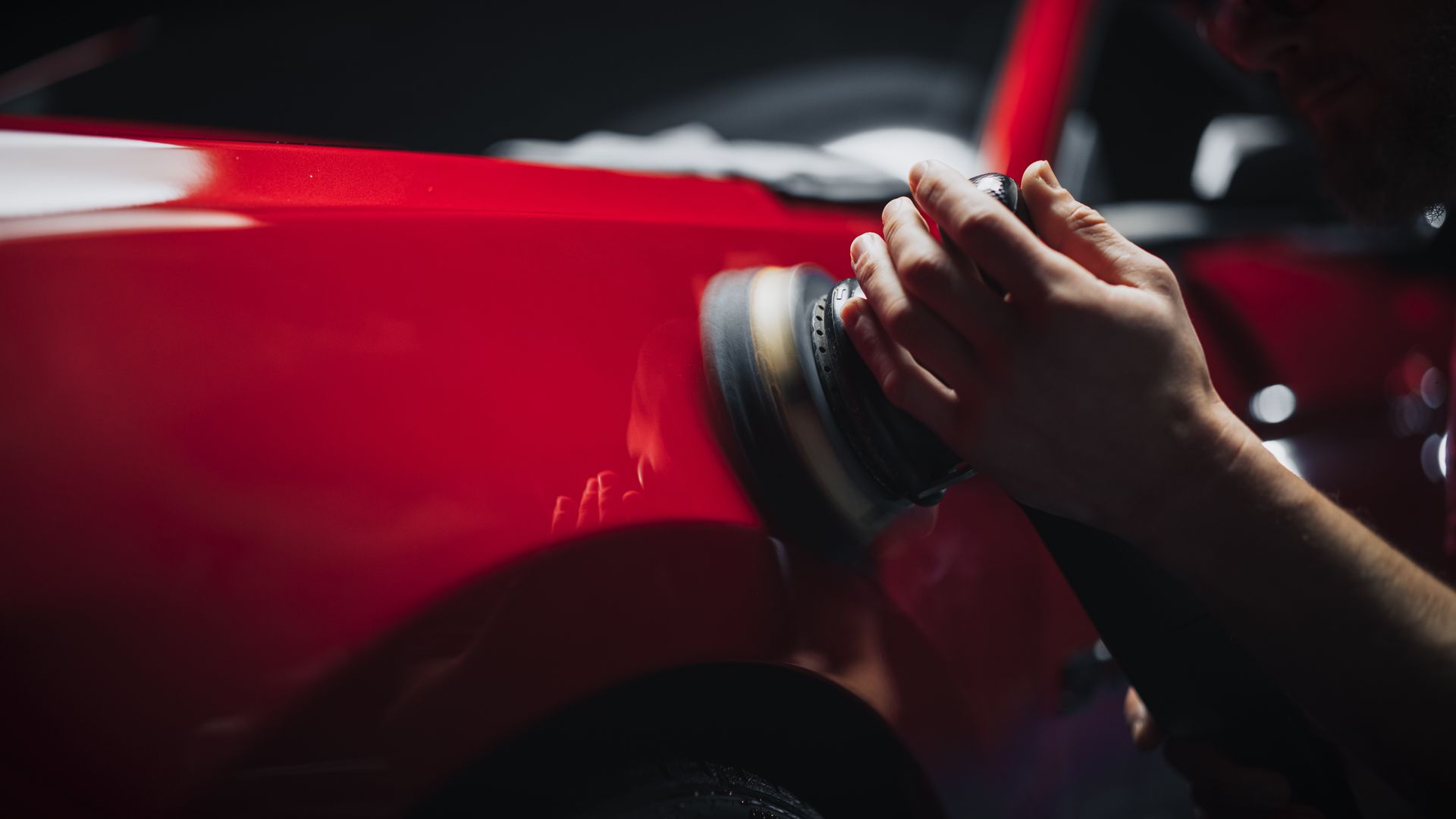
Before any polishing begins, the surface goes through clay bar treatment to pull embedded rail dust, industrial fallout, and other bonded contamination away from the clear coat. This step is not optional—polishing over embedded particles drives them deeper into the paint layer and can create permanent scarring. Once the surface is stripped clean and verified under bright LED lighting, machine polishers with cutting compounds and professional-grade pads begin leveling the clear coat, removing the scratches and swirl patterns by reducing the surrounding surface to a uniform depth. The LED monitoring continues throughout polishing so precision does not rely on ambient lighting conditions that can hide defects until the vehicle moves into daylight.
Arrange an on-site assessment with Caldwell Mobile Detailing LLC to evaluate your paint condition and determine the level of correction your vehicle's clear coat requires.
Why Surface Prep Determines the Quality of the Polish
The clay bar treatment that precedes polishing is the step that most separates quality correction from a rushed result. Clay physically shears contamination off the surface rather than dissolving it, and the difference is detectable by touch—a properly clayed panel feels smooth and almost frictionless compared to an untreated surface that catches slightly as you drag your fingers across it. Skipping this step means polishing compounds are working against embedded particles the entire time, reducing their effectiveness and risking additional marring rather than correcting what was already there.
After polishing is complete, the finished surface shows a measurable difference under any lighting condition: swirl patterns that scattered light in multiple directions are gone, and the reflection depth returns to what the paint looked like before clear coat degradation began. Caldwell Mobile Detailing LLC operates under a solo model, meaning the same technician who evaluates the defects performs all polishing passes—there is no handoff between an estimator and a separate worker, which matters because defect evaluation and correction decisions happen continuously during the job, not just at the start.
Paint correction is typically followed by a protective coating application to prevent the corrected surface from accumulating the same damage again. The correction process itself does not include a coating, so the two services are evaluated and scheduled based on what the paint condition shows at the time of the assessment. Vehicles with heavier single-stage paint common on older domestic models require different pad and compound combinations than modern clear-coated finishes, and that distinction is made during the LED inspection before polishing starts.
What Property Owners Ask About the Work
The questions below address how paint correction is performed and what decisions shape the outcome—particularly relevant for vehicles in Traverse City that have accumulated both contaminant bonding and abrasion damage over time.
What is the difference between polishing and paint correction?
Standard polishing uses mild abrasives to add gloss without removing significant clear coat depth, while correction uses cutting compounds and machine polishers calibrated to level the surface—removing material to eliminate defects rather than simply filling or masking them.
How does the clay bar step prevent damage during polishing?
Clay shears bonded contamination off the paint surface mechanically, so when machine pads make contact during polishing, they are working against bare clear coat rather than pushing abrasive particles across it. Any contamination left on the surface during polishing becomes a scratch agent.
Why is LED lighting necessary during paint correction rather than working in natural light?
LED inspection lighting shows surface defects at angles that sunlight does not replicate consistently—it reveals swirl patterns, micro-scratches, and high spots in the clear coat that would otherwise only appear under specific conditions, allowing the technician to verify correction in real time rather than after the fact.
When does a vehicle need paint correction versus a standard wash and wax?
Correction is the appropriate service when defects are visible in the clear coat under any lighting—swirl patterns in reflections, scratched areas that look cloudy or white when viewed at an angle, or paint that has oxidized to a chalky or faded appearance that polishing compounds are needed to reverse.
What should you look for in a finished paint correction to confirm the work was done correctly?
Reflections should appear sharp and undistorted at all viewing angles, swirl patterns should be absent rather than reduced, and the surface should feel uniformly smooth to the touch without high or low spots where polishing pressure was inconsistent.
Caldwell Mobile Detailing LLC also performs paint correction in Interlochen, Kingsley, Acme, Grawn, and Fife Lake. If your vehicle's paint has visible swirl marks, oxidation, or scratching, contact Caldwell Mobile Detailing LLC to schedule a driveway evaluation and confirm what correction stage the surface requires.